
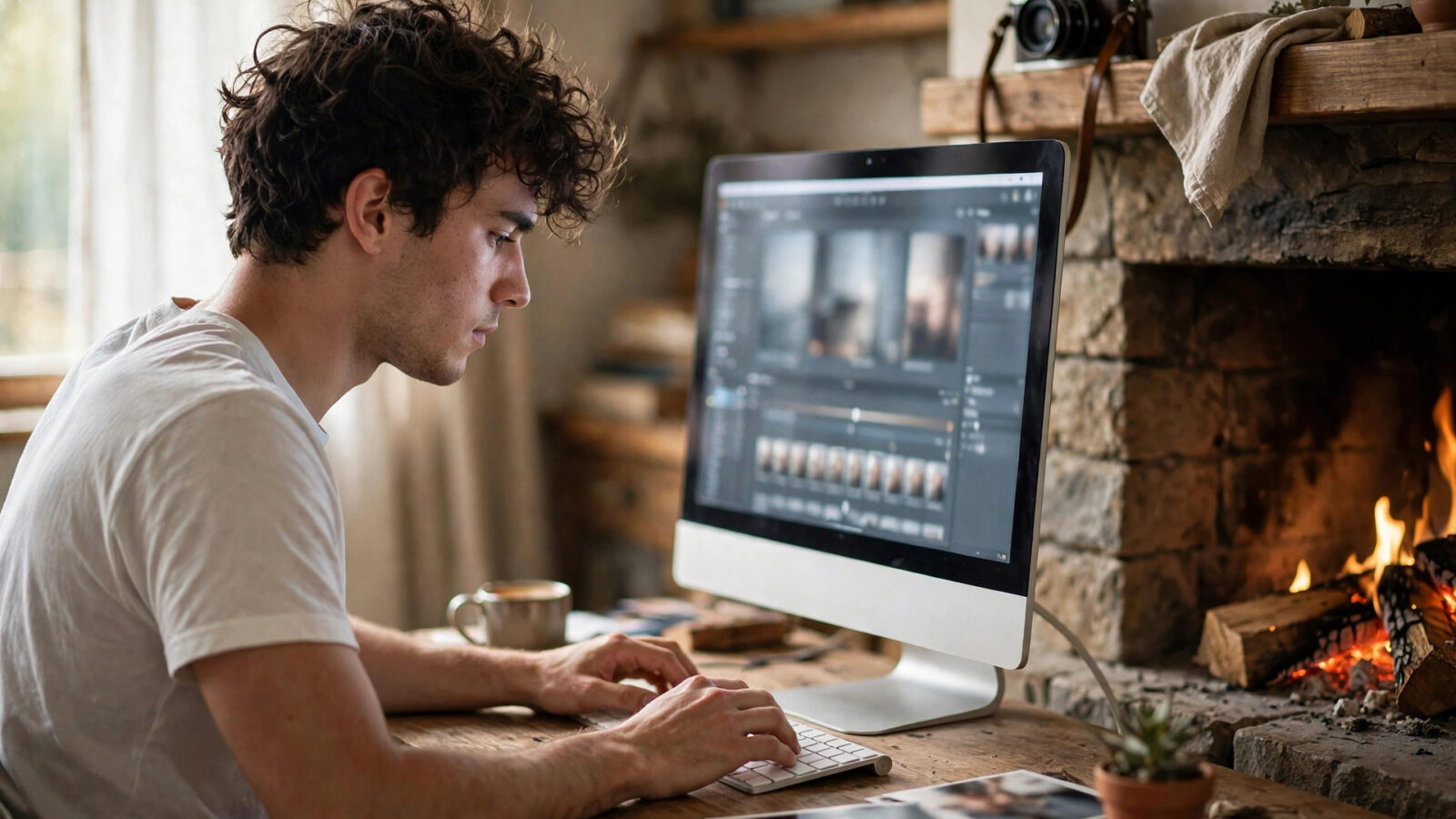
Old digital cameras are back. The slightly soft detail, the warm colour, the grain, and the imperfect flash of early digital photos have become a look in their own right, and in 2026 photographers are recreating it in Photomator, using modern files and careful editing, rather than digging out an old camera.
This guide looks at nostalgic digital camera look trends in Photomator for 2026, and how to achieve the look honestly, without making a photo look like a parody. The best nostalgic edits feel like a memory, not a costume.
What defines the nostalgic digital look
The nostalgic digital look is defined by a few traits: slightly warm colour, moderate contrast, soft detail, visible grain, and a flash that is a little harsh. In Photomator, the look is built from colour, tone, and texture, rather than a single preset, so you can control how strong each element is.
The current trend is restrained nostalgia. A gentle warm cast, a little grain, and slightly softened detail reads as nostalgic, while a heavy grade, strong vignette, and exaggerated grain reads as a filter, and dates quickly.
Colour and tone for a 2000s feel
Start with white balance, warming it slightly, so whites lean warm rather than neutral. In Photomator, keep contrast moderate, lift the blacks a little, so shadows are not too deep, and keep saturation restrained, so colour feels a little faded, rather than vivid.
Refine colour selectively, keeping skin tones warm and natural, and avoiding oversaturation. In Photomator, selective colour work helps you warm one range without shifting the whole photo, so the nostalgic feel is present, but the subject still looks right.
Grain, softness and flash
Grain is the most recognisable part of the look, but it needs restraint. In Photomator, add fine grain evenly, keeping it subtle, so it adds texture without obscuring detail. Avoid heavy grain, which makes a photo look noisy, rather than nostalgic.
Soften detail slightly, rather than blurring the photo. In Photomator, reduce clarity a little, keep sharpening gentle, and avoid over-sharpening, which fights the soft digital feel. For flash photos, keep the flash look, with bright foregrounds and darker backgrounds, rather than balancing it away entirely.
Where the nostalgic look fits
The nostalgic digital look suits casual, personal photos, such as holidays, nights out, and everyday moments, where the imperfect feel adds charm. In Photomator, it works well for social posts, zines, and personal projects, where the look is part of the story.
It is less suited to formal portraits, weddings, and prints where clean, natural colour matters. For those, keep a clean version as well, and use the nostalgic edit as a separate copy. When you are following other Photomator trends, you will see the same advice: nostalgia works best when it is a choice, not the only version of a photo.
Frequently asked questions
What is the nostalgic digital camera look?
The nostalgic digital camera look recreates the feel of early digital photos, with warm colour, moderate contrast, soft detail, visible grain, and a slightly harsh flash. In Photomator, it is built from colour, tone, and texture, rather than a single preset.
How do I create it in Photomator?
Warm white balance slightly, keep contrast moderate, lift blacks a little, add fine grain subtly, and soften detail gently. Refine colour selectively, keeping skin tones warm and natural, and avoid a heavy grade or strong vignette.
Should I add a lot of grain?
No. Add fine grain evenly and keep it subtle, so it adds texture without obscuring detail. Heavy grain makes a photo look noisy, rather than nostalgic, and it dates quickly.
Does the look suit every photo?
No. It suits casual, personal photos, such as holidays and everyday moments, where the imperfect feel adds charm. For formal portraits, weddings, and prints, keep a clean, natural version as well.
Should I keep a clean version too?
Yes. Keep a clean, natural edit as the main version, and save the nostalgic look as a separate copy for social posts or personal projects. That way you have a version that ages well, and a version with character.